
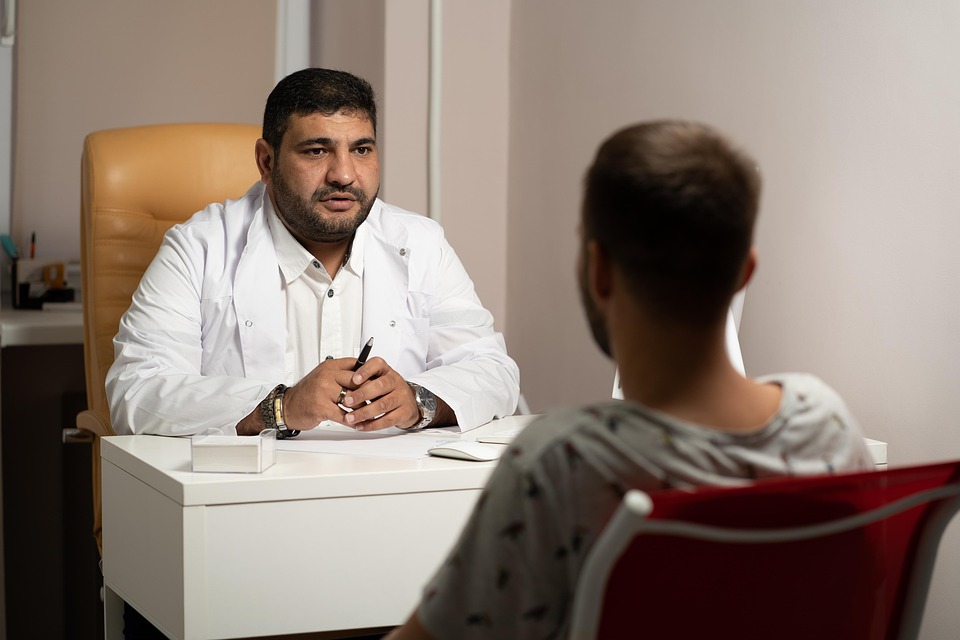
Organ transplantation and hematopoietic stem cell transplantation are complex medical procedures with significant psychological and emotional impacts on patients, donors, and caregivers. These experiences can trigger various emotional issues, including anxiety, depression, and caregiver burden. The psychological adjustments required during these stages are crucial for successful recovery and overall quality of life.
Recent findings highlight the prevalence of emotional distress among both recipients and donors during and after transplantation. Patients often face anxiety related to surgery, recovery, and the uncertainty of transplant outcomes, which can exacerbate feelings of isolation and decrease their emotional wellbeing. For caregivers, the burden of providing support entails managing their own emotional stresses, which may lead to feelings of inadequacy or burnout.
Social support emerges as a critical factor in fostering resilience and positive adjustment post-transplant. Patients with strong support networks tend to report better emotional outcomes, including lower levels of anxiety and depression. Conversely, a lack of social support can significantly hinder the recovery process, highlighting the need for integrated care models that address psychosocial needs alongside medical treatment.
These findings matter for all stakeholders involved. For transplant patients, recognizing the significance of emotional and psychological support can enhance recovery trajectories. Clinicians should evaluate and address the emotional wellbeing of both patients and caregivers throughout the transplant process. Ultimately, prioritizing these psychosocial elements can enhance adherence to post-transplant regimens, improve quality of life, and lead to more successful long-term outcomes.

Source: ovidsp.dc2.ovid.com