
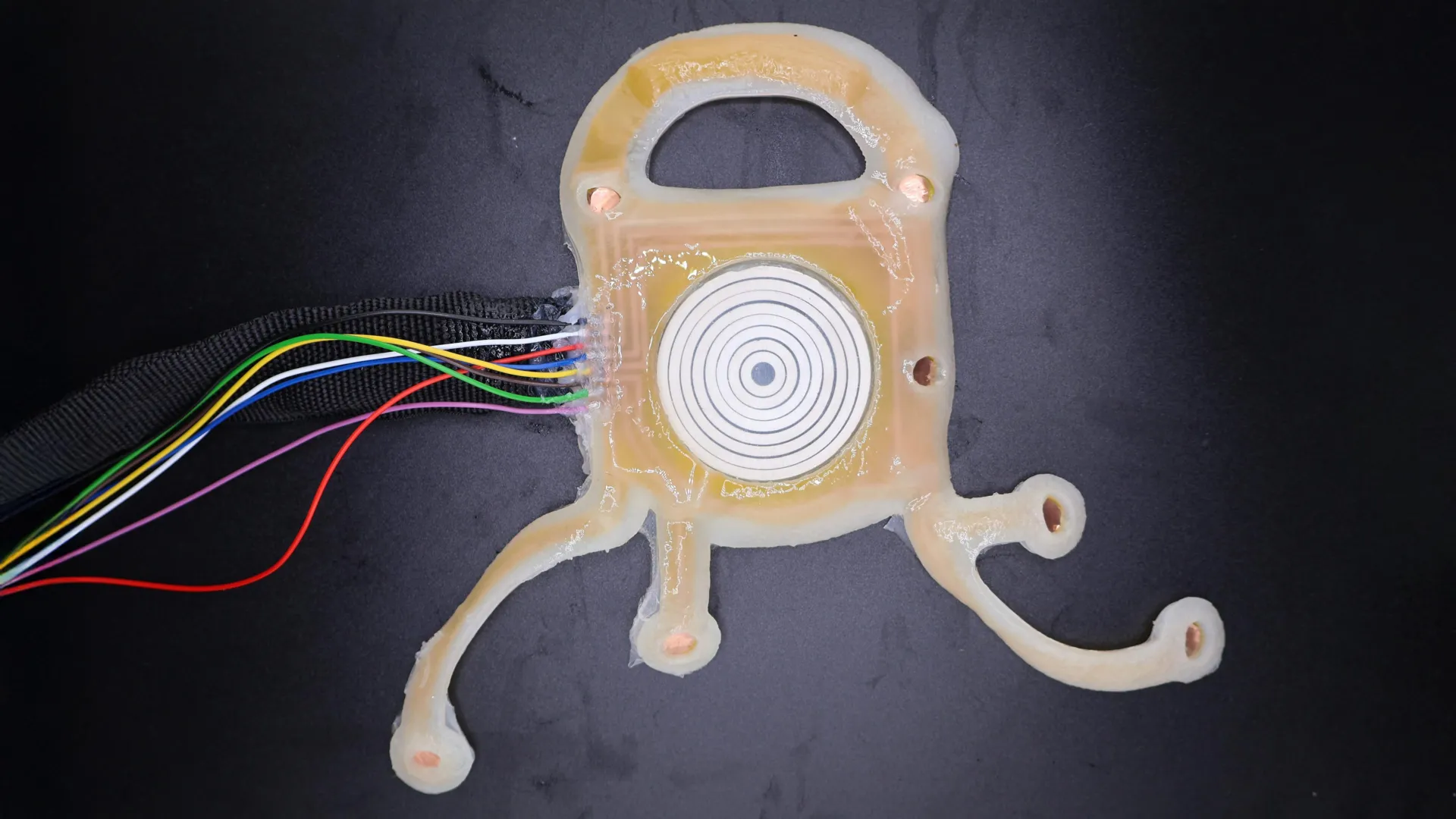
Recent research from the University of Texas at Austin has developed an innovative wearable device, NEUSLeeP, that enhances REM sleep through non-invasive ultrasound stimulation and brain activity monitoring. This advancement is particularly relevant given the critical role of REM sleep in emotional regulation and stress adaptation. Disruptions in REM sleep have been linked to conditions such as depression, anxiety, and PTSD, making this technology a potential game-changer for those grappling with these issues.
In a study involving 28 participants, NEUSLeeP enabled users to enter REM sleep approximately 43 minutes faster and remain in this restorative state roughly 16 minutes longer. The device was reported as comfortable and safe, with minimal adverse effects. Remarkably, the patches also improved heart rate variability, a marker of the body’s stress response, and showed changes in brain circuits associated with emotional health. This suggests that enhancing REM sleep can help improve coping mechanisms, overall emotional well-being, and resilience.
For transplant patients and their caregivers, the implications are significant. Organ transplantation and recovery often entail emotional strain, and this technology may assist in alleviating stress-related symptoms, thereby improving the quality of life for both recipients and their supporters. Clinicians could consider integrating NEUSLeeP into treatment plans for patients suffering from sleep disruptions, particularly those dealing with the psychological aftermath of transplantation.
As the research team advances toward larger clinical trials focusing on PTSD, depression, and chronic insomnia, the NEUSLeeP device holds promise for personalized, non-invasive treatments aimed at enhancing sleep quality and associated psychosocial outcomes. This development could transform care approaches for patients facing emotional and psychological challenges related to serious health conditions.

Source: www.sciencedaily.com