
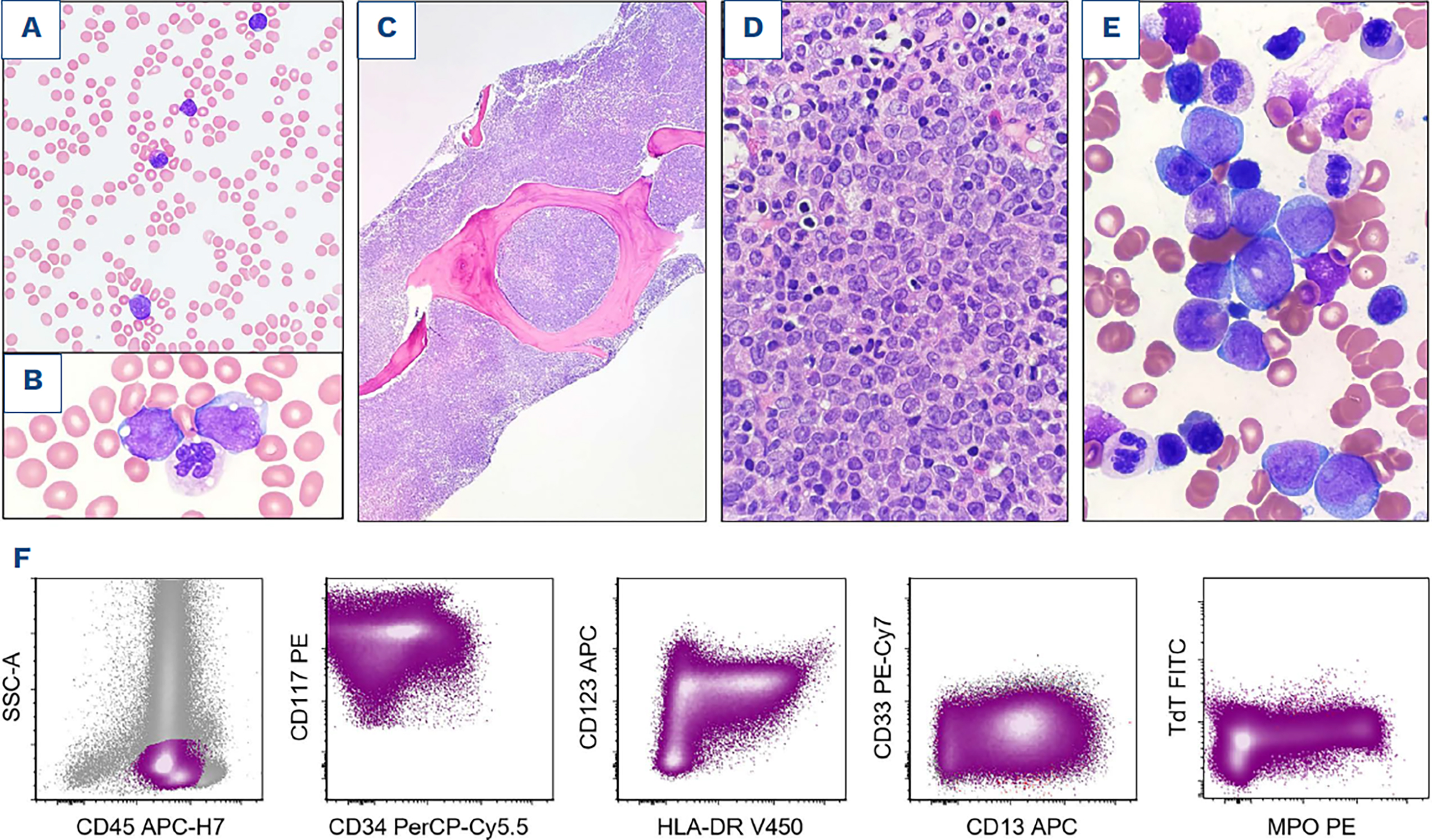
A recent case report highlights a 58-year-old man with chronic myeloid leukemia (CML) who developed a myeloid blast phase and acquired a NUP98 rearrangement involving a novel fusion partner, HOXC12. Initially diagnosed in 2020, the patient’s treatment was complicated by non-compliance and insurance issues, leading to progression of the disease. Follow-up investigations revealed significant cytogenetic abnormalities, including the classic BCR::ABL1 and the newly identified NUP98::HOXC12 translocation.
This discovery contributes to the understanding of genetic mechanisms in CML and underscores the importance of monitoring chromosomal aberrations as potential indicators of disease progression. The co-occurrence of NUP98 and BCR::ABL1 translocations in both blasts and neutrophils suggests a complex biology underlying the disease’s evolution, potentially influencing treatment response and prognosis.
The findings raise questions about the prognostic implications of NUP98 rearrangements, particularly regarding resistance to tyrosine kinase inhibitors and the role of HOX gene family involvement in leukemogenesis. This case stresses the need for continued research into NUP98 fusion proteins for therapeutic targeting and emphasizes the ethical and clinical considerations in managing poorly controlled hematological malignancies. Such insights are critical for improving outcomes in bone marrow and hematopoietic stem cell transplant patients as well as their donors.
Source: haematologica.org