
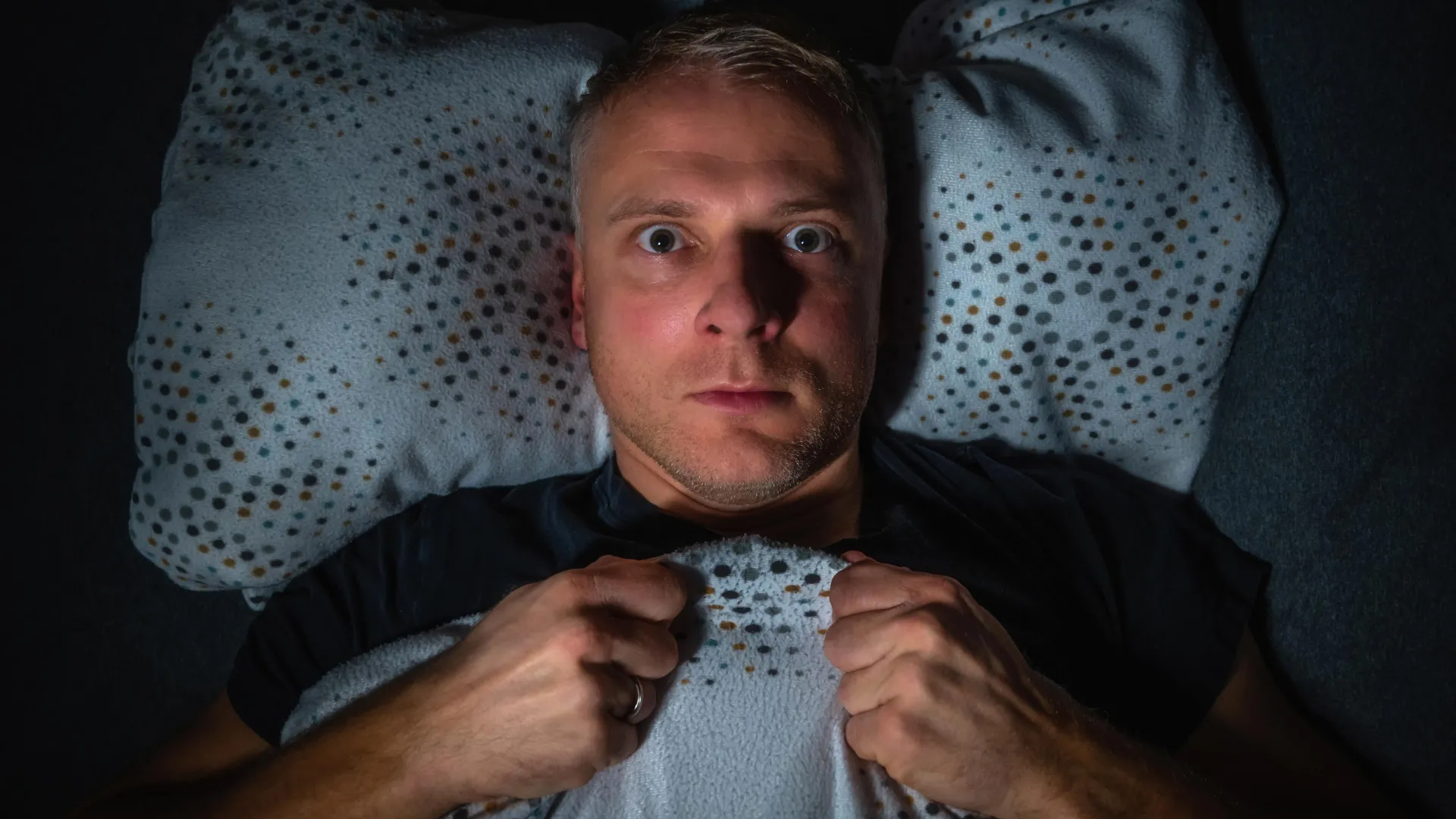
A recent study at Charité – Universitätsmedizin Berlin has highlighted the psychological distress caused by nightmares in individuals with post-traumatic stress disorder (PTSD), an issue particularly relevant for transplant patients who may experience trauma from their medical journey. Nightmares often cause severe sleep disruption and can intensify feelings of anxiety and stress, impacting overall quality of life.
In this study, researchers explored the effectiveness of Dronabinol, a THC-based medication, in alleviating trauma-related nightmares. The double-blind trial involved over 170 participants who received either Dronabinol or a placebo for ten weeks. Findings revealed that those treated with Dronabinol experienced a significant reduction in nightmare severity, with over a third reporting complete cessation of nightmares. This improvement had a notable positive impact on their health and emotional wellbeing, allowing for more restful sleep and potentially reducing daytime anxiety.
These results are particularly significant for transplant patients, donors, and caregivers as they highlight an innovative approach to managing emotional distress linked to trauma. The study indicates that addressing nightmares can enhance patients’ adaptability and resilience during recovery phases, ultimately improving their psychosocial wellbeing. Clinicians could consider integrating this form of therapy into holistic care plans to better support patients grappling with PTSD symptoms post-transplant. Further research is necessary to evaluate long-term efficacy and safety to ensure ongoing mental health support in this vulnerable population.
Source: www.sciencedaily.com