
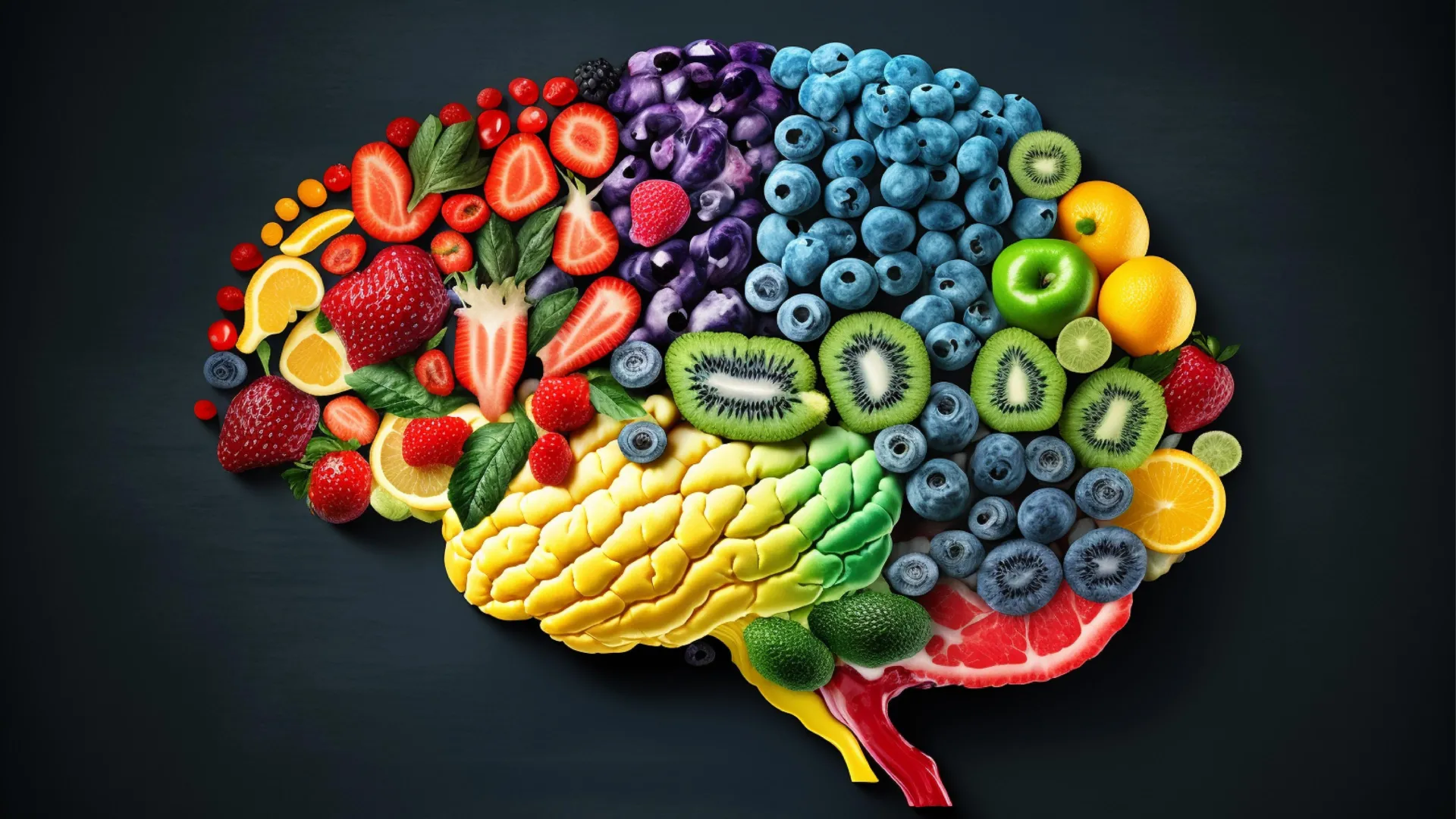
Nutritional Insights for Transplant Patients: The MIND Diet and Brain Health
Recent research published in the Journal of Neurology Neurosurgery & Psychiatry highlights the potential benefits of the MIND diet—an amalgamation of the Mediterranean diet and dietary practices aimed at lowering blood pressure—on brain health, specifically regarding cognitive decline and structural brain changes. While the primary focus of the research is on aging and neurodegeneration, its implications may extend to the field of transplantation, particularly concerning the nutritional needs of patients undergoing transplant recovery.
The MIND diet emphasizes the consumption of green leafy vegetables, berries, nuts, whole grains, fish, beans, olive oil, and moderate wine, while advocating for the reduction of red meat, butter, and sweets. Key findings indicate that higher adherence to this diet correlates with slower grey matter loss and reduced ventricular enlargement over time. For transplant patients, especially those with compromised cognitive function or at risk for neurodegenerative diseases, integrating MIND diet principles could potentially enhance neurological health during recovery and survivorship.
The study’s findings are particularly relevant for transplant recipients, as they often face increased risks of metabolic syndrome and cognitive decline due to immunosuppressive therapy and other lifestyle factors. Nutrition plays a critical role in recovery and long-term health outcomes, with proper nutrient intake being essential to mitigate risks such as obesity, diabetes, and sarcopenia.
However, the study’s observational nature limits the ability to establish causal relationships between the MIND diet and brain structure changes, and the reliance on food frequency questionnaires introduces the potential for recall bias. Additionally, the study population was predominantly White, which may limit the generalizability of the findings. Nonetheless, these insights support the integration of the MIND dietary pattern into post-transplant nutritional counseling, emphasizing the need for individualized approaches that consider the unique nutritional requirements of transplant patients.

Source: www.sciencedaily.com