
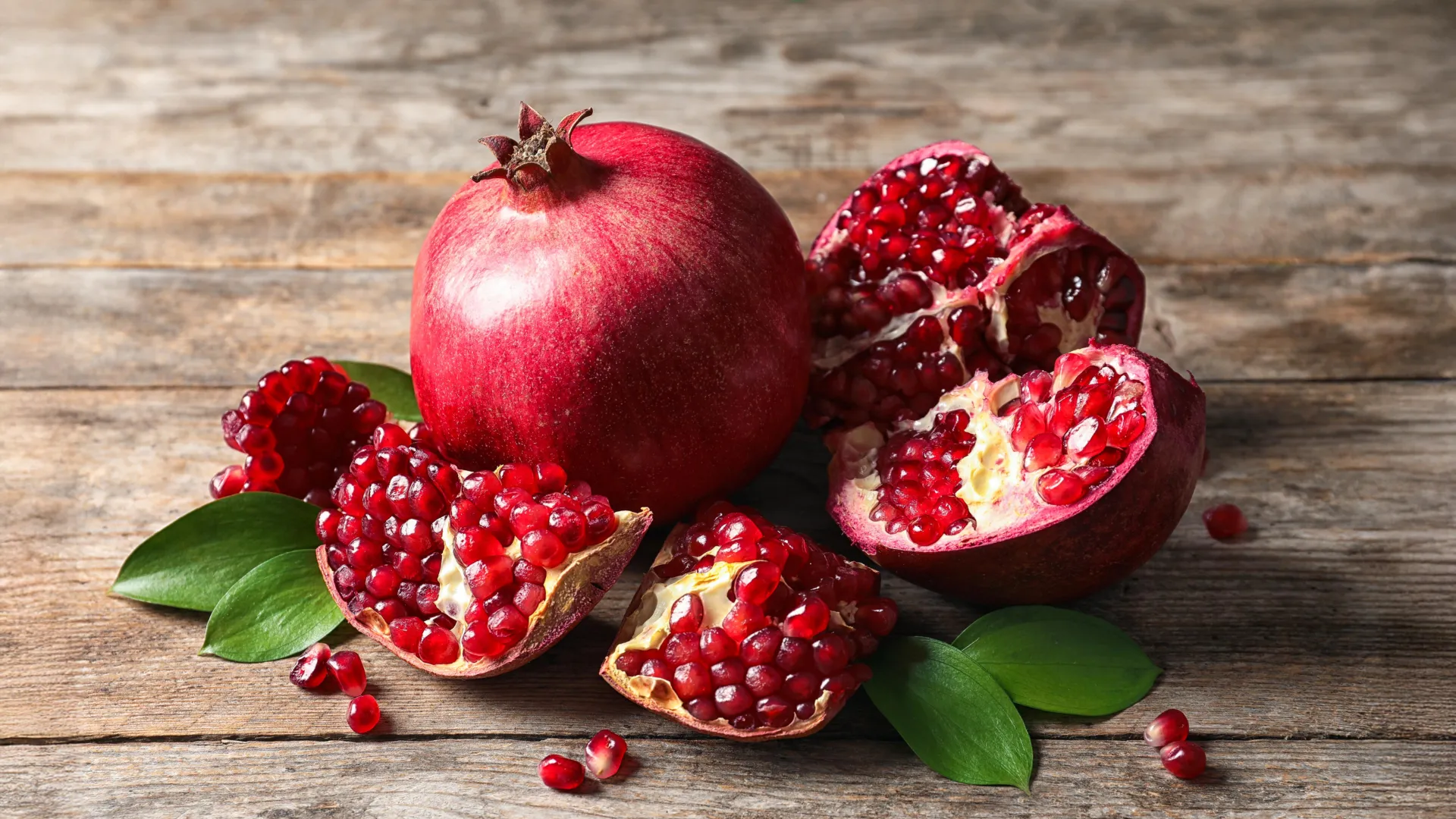
Recent research from King’s College London has identified a naturally occurring compound, urolithin A, produced after consuming foods such as pomegranates and walnuts, as a potential treatment for heart failure with preserved ejection fraction (HFpEF). HFpEF, which affects nearly half a million individuals in the UK, occurs when the heart remains capable of pumping blood but becomes too stiff to relax adequately between beats, leading to symptoms like shortness of breath and fatigue.
In experimental models, urolithin A resulted in an 80% improvement in heart function, enhancing the heart’s ability to relax, reducing scarring (fibrosis), and preventing harmful enlargement of heart muscle cells. The compound activates a protein named PKGlα, crucial for vascular function and cardiac relaxation, thereby demonstrating a promising mechanism for potential therapeutic application.
The study underscores the significance of identifying new treatment avenues for HFpEF, given the condition’s increasing prevalence due to aging populations and rising rates of obesity and diabetes. Current treatment options are limited, necessitating a focus on underlying conditions and lifestyle changes.
Importantly, while urolithin A shows promise based on preclinical models and engineered human heart tissue studies, further clinical trials are essential to evaluate its effectiveness in human patients. This research, funded by the British Heart Foundation, illuminates a significant unmet need in cardiovascular medicine and suggests that dietary approaches fostering urolithin A production could offer benefits, though no specific dietary recommendations for treating heart failure should be made at this stage.

Source: www.sciencedaily.com