
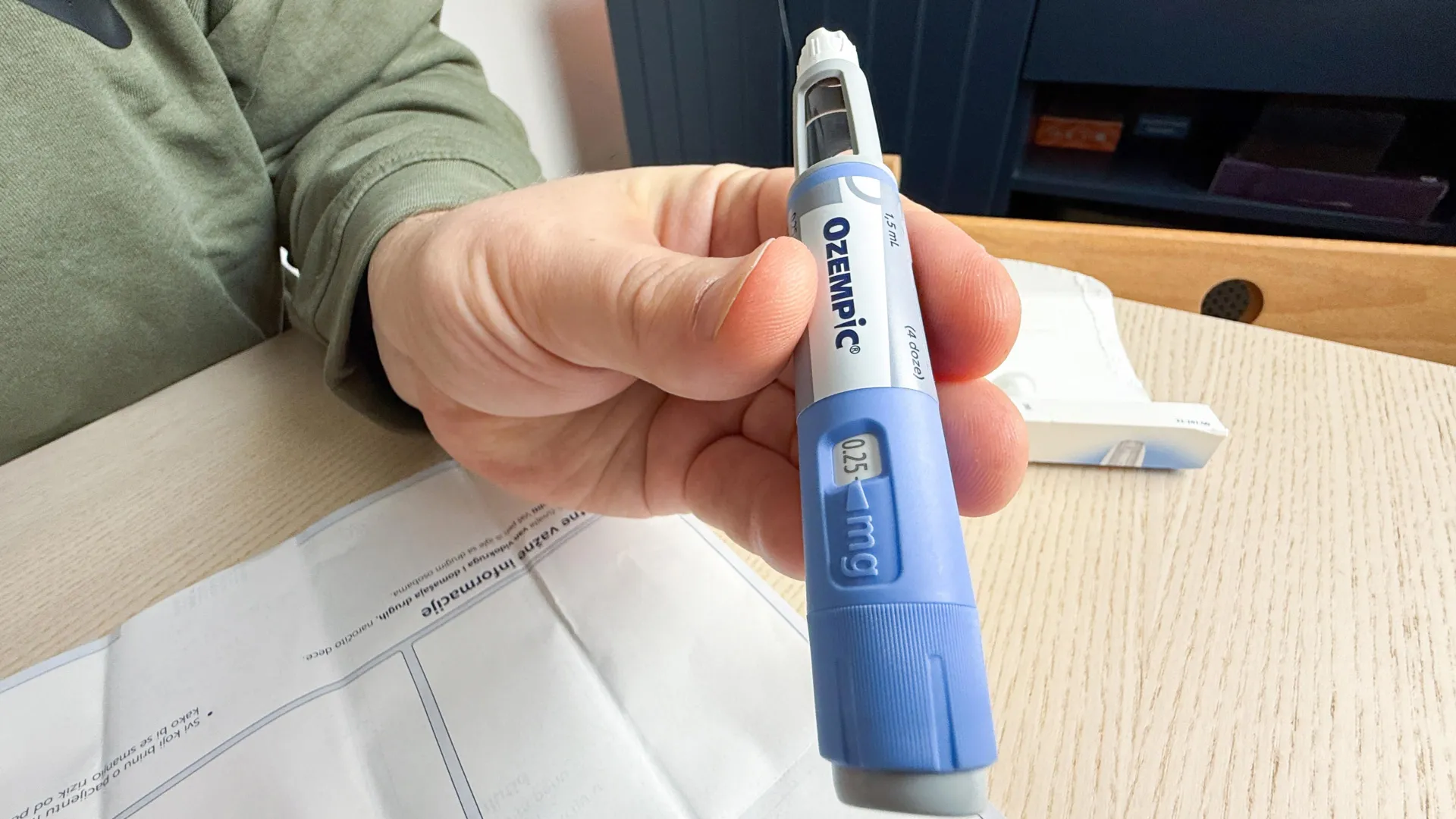
Recent research from Griffith University highlights the potential mental health benefits of glucagon-like peptide-1 receptor agonists (GLP-1RAs), specifically semaglutide, for individuals with bipolar disorder. Bipolar disorder, affecting approximately 37 million people globally, often co-occurs with diabetes and obesity, suggesting shared biological pathways that might influence both metabolic and mental health.
The study analyzed nationwide data from nearly 15,000 bipolar patients over a 15-year period and found a significant correlation between semaglutide use and a 21% reduction in psychiatric hospitalizations. This suggests that GLP-1RAs may not only aid in the management of diabetes and weight but also offer protective benefits for mental health by potentially decreasing inflammation and cellular stress linked to bipolar disorder.
These findings are particularly meaningful for patients, caregivers, and clinicians involved in the management of bipolar disorder, as they suggest a new avenue for improving mood stability and reducing the risk of relapse. Enhancing emotional well-being and quality of life is critical for this population, particularly for those facing the challenges of managing comorbid conditions.
Further research, including randomized controlled trials, is necessary to validate these findings and explore the specific mechanisms through which semaglutide may affect mental health outcomes. This could lead to improved treatment protocols and support for those living with bipolar disorder, underscoring the importance of integrating physical and mental health strategies in patient care.

Source: www.sciencedaily.com